
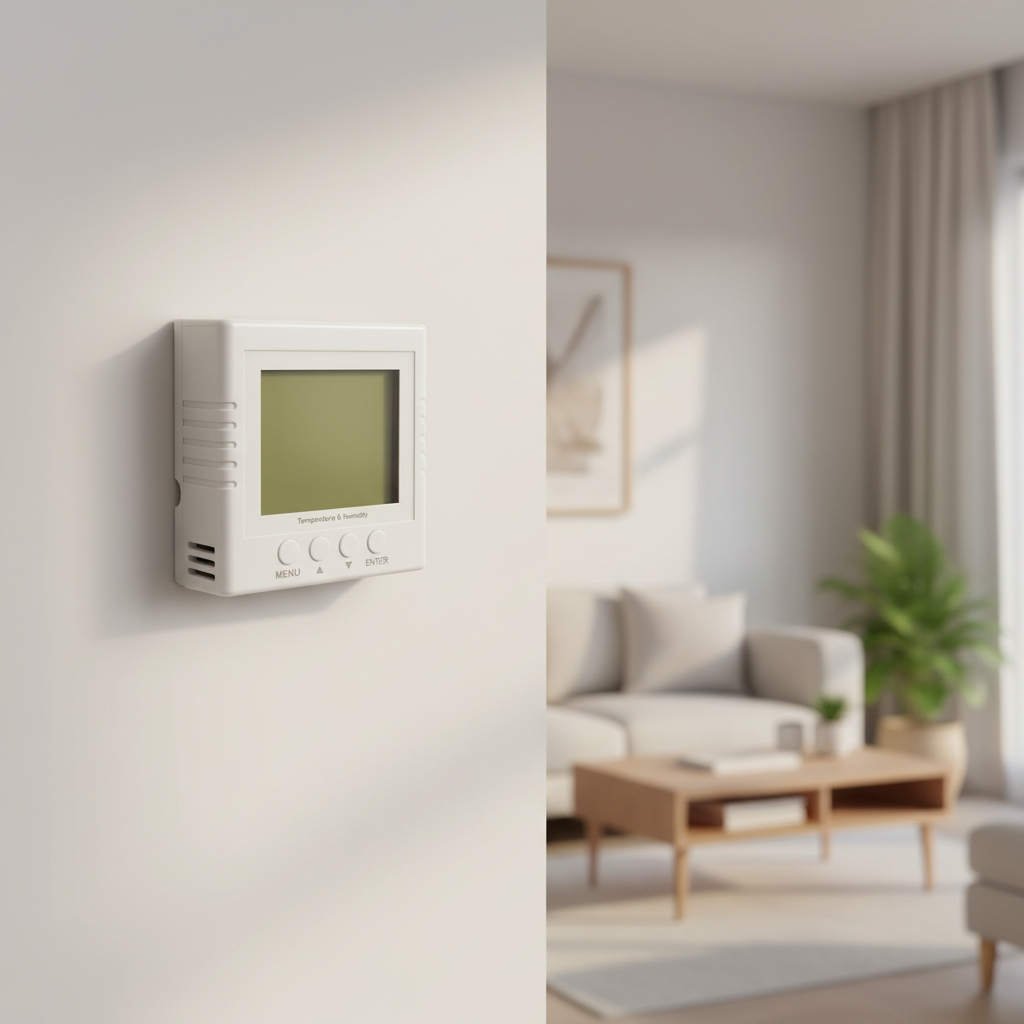
Temperature sensor for HVAC systems plays an important role in modern air conditioning and climate control equipment. Accurate temperature monitoring helps improve energy efficiency, indoor comfort, and HVAC system reliability.
A reliable temperature sensor for HVAC systems improves overall climate control performance.
Temperature sensors help HVAC systems monitor and control heating, ventilation, and air conditioning operations accurately. In this article, we will explain how temperature sensors work in HVAC systems, their common types, applications, and how to choose the right sensor.
What Is a Temperature Sensor in HVAC Systems?
A temperature sensor is an electronic device that detects temperature changes and sends signals to the HVAC control system.
These sensors help regulate:
- Indoor room temperature
- Airflow temperature
- Refrigerant temperature
- Evaporator and condenser temperature
- Duct temperature
- Water pipe temperature
Accurate temperature monitoring improves both system performance and energy efficiency.
Why Temperature Sensors Are Important in HVAC Systems
Modern HVAC systems rely heavily on temperature sensors for automatic control and protection.
Without proper temperature monitoring, HVAC equipment may experience:
- Poor cooling or heating performance
- Increased energy consumption
- Compressor damage
- System overheating
- Frozen evaporator coils
- Unstable indoor temperatures
Temperature sensors allow HVAC controllers to maintain stable and comfortable environmental conditions.
How Temperature Sensors Work in HVAC Equipment
Most HVAC temperature sensors work by changing electrical resistance according to temperature variations.
The most common sensor used in HVAC systems is the NTC thermistor.
NTC stands for Negative Temperature Coefficient:
As temperature increases, the resistance decreases.
The HVAC controller measures the resistance value and converts it into temperature data for system control.
According to ASHRAE, accurate HVAC temperature monitoring improves energy efficiency in commercial buildings.
Common Types of Temperature Sensors Used in HVAC
Different HVAC applications require different temperature sensing technologies.
NTC Thermistor Sensors
NTC thermistors are widely used because they offer:
- High sensitivity
- Fast response time
- Compact size
- Low cost
They are commonly installed in:
- Air conditioners
- Heat pumps
- Refrigeration systems
- Fan coil units
RTD Sensors
RTD stands for Resistance Temperature Detector.
RTDs provide:
- Higher accuracy
- Better long-term stability
- Wider temperature range
They are often used in:
- Industrial HVAC systems
- Building automation systems
- Precision environmental control
Thermocouples
Thermocouples are suitable for high-temperature HVAC applications.
They are commonly used in:
- Boilers
- Furnaces
- Industrial heating systems
Applications of Temperature Sensors in HVAC Systems
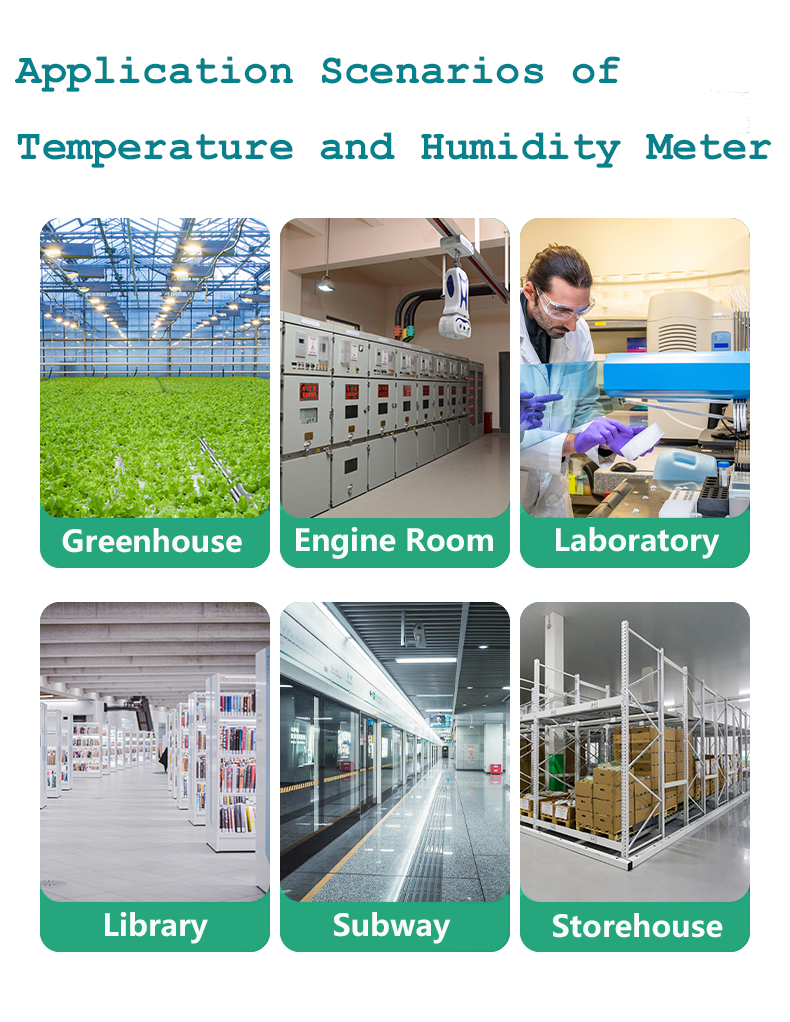
Temperature sensors are used throughout HVAC equipment for monitoring and protection.
Choosing the correct temperature sensor for HVAC equipment is important for energy efficiency.
Indoor Room Temperature Monitoring
Sensors detect room temperature and help thermostats maintain user-set comfort levels.
Evaporator Coil Protection
Temperature sensors prevent evaporator coils from freezing during cooling operation.
Compressor Protection
Sensors monitor compressor temperature to prevent overheating and system failure.
Air Duct Temperature Control
HVAC systems use duct sensors to regulate airflow temperature efficiently.
Refrigerant Temperature Monitoring
Temperature sensors help optimize refrigerant performance and energy efficiency.
Smart HVAC Systems
Modern smart HVAC systems use multiple sensors for:
- Energy-saving automation
- Remote monitoring
- Intelligent climate control
Advantages of Using Temperature Sensors in HVAC Systems
Improved Energy Efficiency
Accurate temperature monitoring reduces unnecessary energy consumption.
Better Indoor Comfort
Sensors help maintain stable and comfortable temperatures.
Extended Equipment Lifespan
Overheating protection reduces wear on compressors and motors.
Faster System Response
Modern sensors quickly detect temperature changes for real-time control.
Lower Maintenance Costs
Early temperature detection helps prevent major equipment failures.
How to Choose the Right Temperature Sensor for HVAC
Selecting the correct temperature sensor depends on the HVAC application.
Important factors include:
Temperature Range
Different HVAC systems operate under different temperature conditions.
Common ranges include:
- -40°C to +125°C
- -20°C to +80°C
Accuracy Requirements
Commercial HVAC systems may require higher precision sensors.
Response Time
Fast response improves temperature control performance.
Sensor Packaging
Common sensor types include:
- Probe sensors
- Surface mount sensors
- Ring terminal sensors
- Waterproof sensors
Environmental Protection
HVAC sensors may require:
- Waterproof protection
- Dust resistance
- Corrosion resistance
Temperature Sensor vs Thermostat
A thermostat and a temperature sensor are related but different components.
Temperature Sensor
Measures temperature and sends data.
Thermostat
Uses sensor data to control HVAC operation automatically.
Many modern thermostats contain built-in temperature sensors.
Future Trends in HVAC Temperature Sensing
As smart buildings and energy-efficient systems continue to grow, HVAC temperature sensors are becoming more advanced.
Future trends include:
- IoT-enabled HVAC sensors
- Wireless temperature monitoring
- AI-based climate control
- Smart energy management systems
- High-precision digital sensors
Temperature sensing technology will continue to play a major role in improving HVAC efficiency and sustainability.
Conclusion
Temperature sensors are essential components in modern HVAC systems. They help improve comfort, increase energy efficiency, protect equipment, and optimize overall system performance.
From residential air conditioners to large industrial HVAC systems, accurate temperature monitoring is critical for reliable operation.
Choosing the right HVAC temperature sensor can significantly improve both system efficiency and long-term reliability.Modern temperature sensor for HVAC applications supports smart and efficient building management