
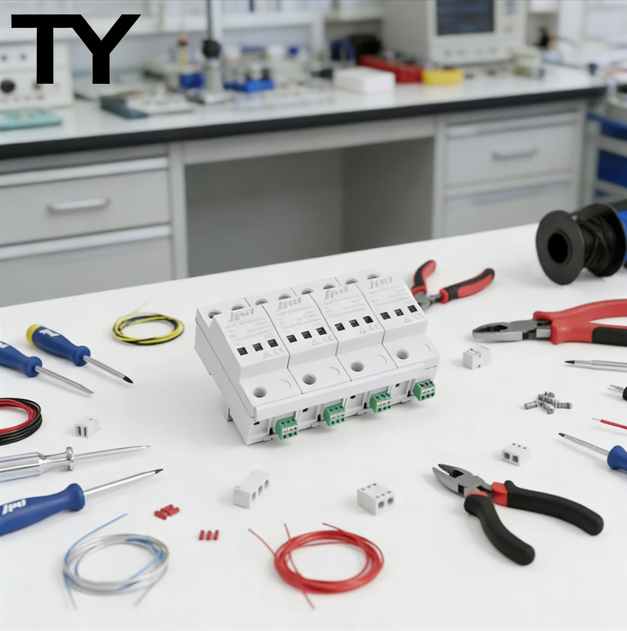
Electronic circuits are increasingly exposed to voltage spikes caused by lightning strikes, switching operations, and power grid disturbances. Without proper protection, these transient overvoltages can damage sensitive components such as IC chips and sensors.
Surge protection technologies are designed to absorb or redirect excessive voltage, protecting electronic systems and improving long-term reliability. In modern circuit design, multiple protection components are often used together to provide effective surge suppression.
What Is Surge Protection?
Surge protection refers to the use of specialized electronic components to prevent damage caused by sudden voltage spikes or transient surges. These events may last only microseconds but can generate extremely high voltages that exceed the tolerance of sensitive electronic devices.
Surge protection devices work by limiting voltage, diverting current, or absorbing surge energy before it reaches critical circuit components.
Many of these devices are widely used across various electronic components systems in industrial and commercial electronics.
Common Causes of Voltage Surges
Voltage surges can occur in many environments, including:
- Lightning strikes affecting power lines
- Switching of heavy electrical loads
- Electrostatic discharge (ESD)
- Power grid fluctuations
- Industrial equipment startup or shutdown
Because modern electronics rely on sensitive semiconductor devices, even small voltage spikes can cause long-term reliability issues.
Key Surge Protection Components
Several protection technologies are commonly used to protect electronic circuits from transient overvoltage events.
Metal Oxide Varistors (MOV)
Metal oxide varistors (MOV) are voltage-dependent resistors that rapidly change resistance when voltage exceeds a certain threshold. When a surge occurs, the MOV clamps the voltage and absorbs excess energy.
MOVs are widely used in power supplies, surge protectors, industrial equipment, and consumer electronics.
Gas Discharge Tubes (GDT)
Gas discharge tubes (GDT) provide high surge current capability and are often used in communication systems and industrial protection circuits. When the voltage exceeds the breakdown threshold, the gas inside the tube ionizes and conducts surge current safely to ground.
Capacitors in Surge Suppression
In some circuits, capacitors are used to help filter high-frequency noise and stabilize voltage levels. While capacitors alone cannot absorb large surge energy, they can work together with protection devices to improve overall circuit stability.
Protecting Sensitive IC-Based Systems
Modern electronic systems rely heavily on IC chips, microcontrollers, and semiconductor devices. These components are highly sensitive to voltage spikes and electrostatic discharge.
Proper surge protection design ensures that surge energy is diverted away from critical components, preventing permanent damage and improving system reliability.
Surge Protection Applications
Surge protection solutions are widely used in many industries:
- Industrial automation systems
- Telecommunications equipment
- Power supply systems
- Consumer electronics
- Renewable energy systems
- Smart home devices
In these applications, multiple protection devices are often combined to create layered protection strategies.
Choosing the Right Surge Protection Solution
Selecting the appropriate surge protection components depends on several factors:
- Operating voltage and system ratings
- Expected surge current levels
- Response time requirements
- Environmental conditions
- System reliability requirements
Combining multiple protection technologies often provides the most effective protection for sensitive electronic circuits.
Conclusion
Surge protection plays a critical role in ensuring the reliability and safety of modern electronic systems. By using protection devices such as MOVs, gas discharge tubes, and capacitors, engineers can effectively manage transient overvoltages and protect sensitive IC-based circuits from damage.
Proper surge protection design is essential for industrial electronics, communication systems, and power management applications.