
As global industries accelerate toward electrification, intelligence, and connectivity, the electronic components industry is entering a new growth cycle. From electric vehicles and renewable energy to industrial automation and smart consumer electronics, demand for high-performance components continues to rise rapidly.
For manufacturers, distributors, and foreign trade companies, understanding market trends and technology directions is becoming increasingly important.
Electronic Components Industry Report: Global Market Overview
The global electronic components market is expected to maintain stable growth in 2026, driven by several key industries:
- Electric Vehicles (EV)
- Renewable Energy Systems
- Smart Home Devices
- Industrial Automation
- 5G Communication Infrastructure
- AI Servers and Data Centers
Among all categories, passive components and sensor products remain essential for nearly every electronic system.
Key product segments include:
- Varistors
- NTC Thermistors
- Temperature Sensors
- Capacitors
- IC Chips
- Resistors
- Inductors
- Connectors
These components play critical roles in circuit protection, temperature monitoring, signal control, and power management.
Electronic Components Industry Report: Circuit Protection Trends
As electronic devices become more complex, voltage fluctuations and surge risks increase significantly. This has created strong demand for circuit protection components such as varistors and thermistors.
Varistors
Varistors are widely used for surge protection in:
- Power supplies
- Home appliances
- EV chargers
- Solar inverters
- Industrial equipment
With the rapid expansion of renewable energy and EV charging infrastructure, the varistor market is expected to grow steadily over the next five years.
NTC Thermistors
NTC thermistors are commonly applied in:
- Temperature sensing
- Battery management systems
- HVAC equipment
- Medical devices
- Smart electronics
The increasing focus on energy efficiency and safety standards continues to boost demand for high-precision thermistors.
Electronic Components Industry Report for EV Applications
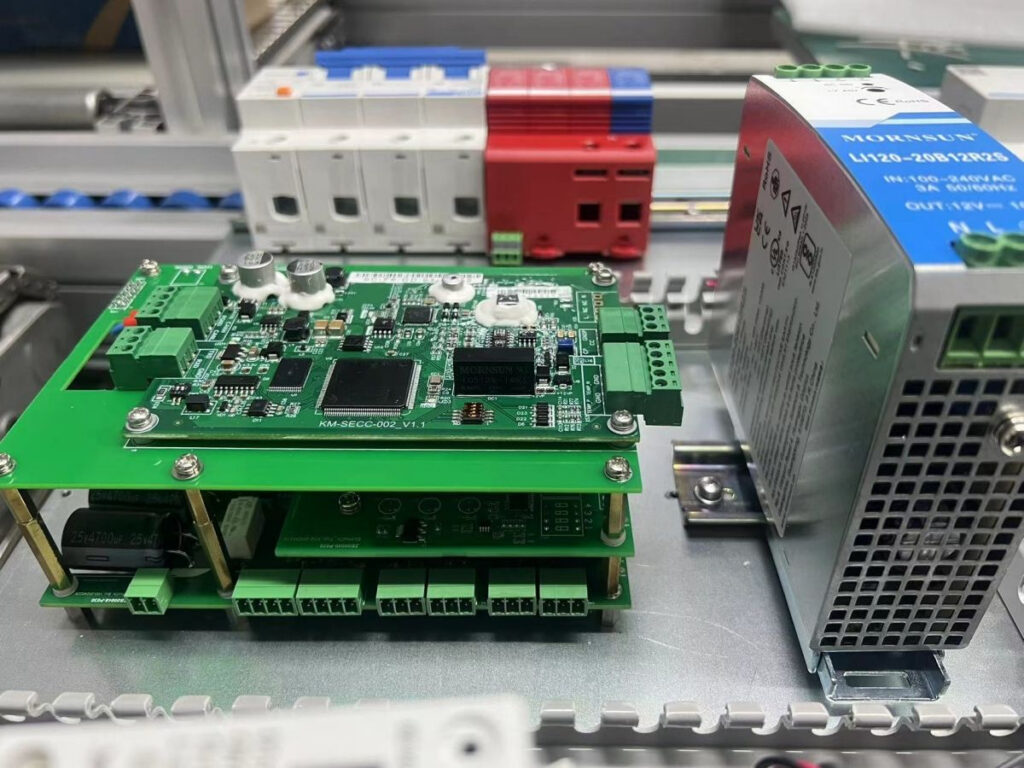
The electric vehicle industry has become one of the strongest growth engines for electronic components.
Modern EVs require a large number of sensors and protection devices to ensure:
- Battery safety
- Thermal management
- Motor control
- Charging protection
- Energy efficiency
Temperature sensors are especially important in EV battery packs. Accurate temperature monitoring helps prevent overheating and improves battery lifespan.
As global EV production expands, the demand for automotive-grade electronic components is expected to increase significantly.
According to the International Energy Agency (IEA), global EV adoption continues to accelerate rapidly.
Supply Chain Challenges in 2026
Although the market outlook remains positive, the industry still faces several challenges:
1. Raw Material Price Fluctuation
Prices of semiconductor materials, copper, and rare earth metals remain volatile.
2. Lead Time Pressure
Some IC chips and specialized components still experience long delivery cycles.
3. Quality and Reliability Requirements
Customers increasingly require:
- Automotive-grade certification
- RoHS & REACH compliance
- Stable long-term supply
- Strict quality control systems
Reliable suppliers with stable production capacity are becoming more competitive globally.
Emerging Opportunities for Foreign Trade Companies
For electronic component exporters and SOHO businesses, several opportunities are worth focusing on:
Renewable Energy
Solar inverters and energy storage systems require large quantities of:
- Varistors
- Capacitors
- Temperature sensors
Industrial Automation
Factories upgrading to smart manufacturing need stable electronic control systems and sensors.
Smart Consumer Electronics
Portable speakers, smart home products, and wearable devices continue to drive component demand.
Emerging Markets
Regions such as:
- Southeast Asia
- Africa
- South America
- Middle East
are seeing fast growth in electronics manufacturing and infrastructure development.
How Suppliers Can Stay Competitive
To remain competitive in the global market, electronic component suppliers should focus on:
Product Quality
Stable quality is essential for long-term cooperation.
Fast Response
Quick quotation and technical support improve customer trust.
Flexible Supply Capability
Small-batch orders and customized solutions are increasingly important for overseas buyers.
Technical Knowledge
Professional understanding of applications and industry trends helps suppliers provide better solutions.
Conclusion of the Electronic Components Industry Report
The electronic components industry is entering a new phase driven by electrification, automation, and intelligent technologies. Products such as varistors, thermistors, and temperature sensors will continue to play important roles across multiple industries.
For foreign trade companies and electronic component suppliers, 2026 presents strong opportunities in EVs, renewable energy, and industrial automation markets.
Companies that combine stable quality, professional service, and flexible supply capability will be better positioned for long-term growth in the global electronics industry.